

Bigfoot Forensics

Potential Supply List
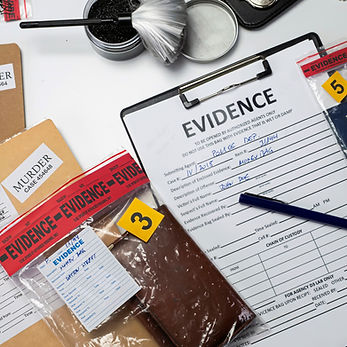
Not an exhaustive list or even must haves. However, some of these you should consider adding for your serious research.
Bigfoot Field Investigation Equipment List
1. Personal Safety & Navigation
GPS device (with off-grid mapping and track logging)
Topographic maps of the search area (laminated or waterproof)
Compass (manual, not just digital)
Satellite communication device (depending)
First aid kit (trauma-focused with tourniquet and hemostatic gauze)
Bear spray (or personal protection appropriate to local wildlife)
Flashlights and headlamps (with red and white modes; extra batteries)
Weather-appropriate clothing (layered; includes rain gear)
Emergency bivy sack or thermal blanket
Multi-tool or fixed-blade knife
Water/ water filter
High-calorie snacks or MREs
2. Audio and Visual Documentation
DSLR or mirrorless camera (manual settings for low-light use) or Phone
Tripod (compact or flexible, for stable photo/video)
Thermal imager (handheld or mounted)
Night vision monocular/binoculars
Digital audio recorder (with windscreen and time/date stamp)
Parabolic microphone (with recording capability)
Game/trail cameras
Body-worn camera or GoPro (continuous documentation)
Binoculars
3. Impression Casting & Evidence Collection
Dental stone or casting medium of your choice (pre-measured, in waterproof bags)
Cardboard casting frames (adjustable or cut on-site)
Gloves (nitrile, powder-free)
Tweezers and forceps (sterile)
Sterile swabs (dry and wet, for potential biological material)
Evidence envelopes and coin envelopes (for hairs, soil, or debris)
Small sample jars or tubes (with labels for biologicals)
Flagging tape (non-reflective; various colors for marking)
Ruler/photo scale (ABFO scale preferred)
Permanent markers
4. Documentation & Logging
Field notebook (weatherproof, with preformatted evidence pages)
Pens and pencils
Clipboard or portable writing surface
Voice memo app or handheld dictation device
Scene sketching kit (graph paper, stencil, protractor)
3D scanner or app with LIDAR, photogrammetry is only ok for souvenir or social media
5. Substrate and Environmental Tools
Soil thermometer (for environmental and impression context)
Measuring tape (at least 25 feet)
Laser rangefinder (for object distance and height estimation)
Hand magnifier or loupe (10x–20x)
Small hand rake and brush (for debris removal)
Collapsible shovel or trowel
Insect repellent and tick prevention tools
6. Optional Specialized Gear
Drone (wishlist is infrared/thermal capability)
Seismograph or audio recorder with geophone (for low-frequency monitoring)
Weather meter (temperature, humidity, wind speed)
Field guide to regional mammals and tracks
Casting Bigfoot Evidence: A Guide (recommended reference)
Check out this cool website for forensic supplies: https://www.sirchie.com/forensics.html